
Understanding Lupus: Causes, Symptoms & Why Skin and Dental Care Matter
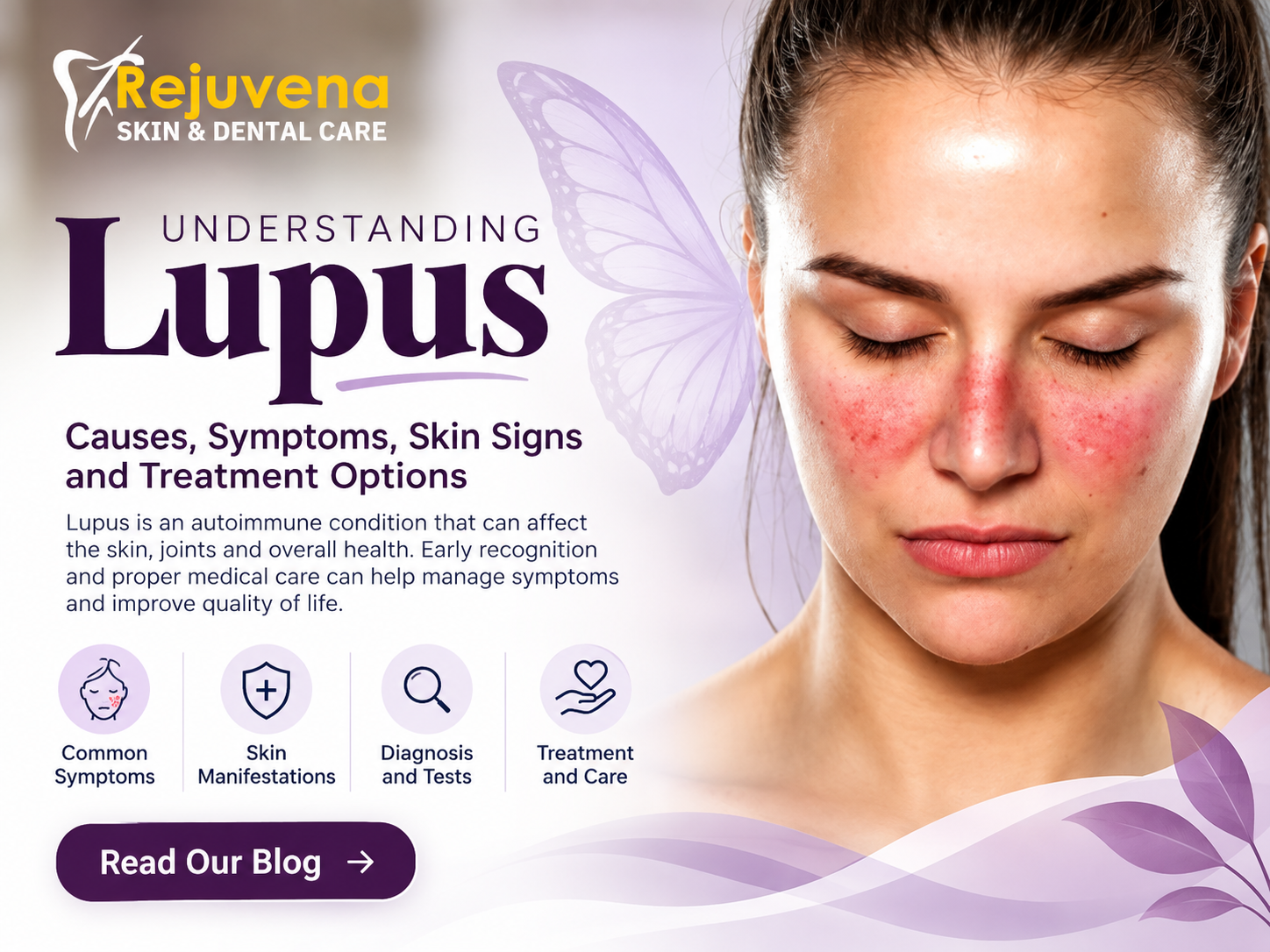
What Is Lupus?
Systemic lupus erythematosus (SLE), commonly known simply as lupus, is a chronic autoimmune disease in which the body’s immune system mistakenly attacks its own healthy tissues and organs. Because its range of symptoms mimics so many other conditions, doctors often call it “the great imitator.”
Lupus causes widespread, multisystem inflammation that can touch almost any part of the body — the skin, joints, kidneys, blood cells, brain, heart, and lungs are all common targets. The disease typically follows a relapsing and remitting course, meaning patients move between periods of intense illness (flares) and stretches of relative wellness (remission).
At Rejuvena Skin & Dental Care, we see lupus most often through two of its most visible calling cards: the skin and the mouth. Recognising these early can make a real difference to how comfortably a patient lives with the disease.
What Causes Lupus?
There is no single cause of lupus. Instead, it develops from a combination of factors that together push the immune system off balance:
- Genetics— having a family member with lupus or another autoimmune disease raises risk, though no single gene causes it.
- Hormones— lupus is roughly nine times more common in women, particularly during their childbearing years, pointing to a strong hormonal influence (likely oestrogen-related).
- Environmental triggers— ultraviolet (UV) light from sun exposure, certain infections, and some medications can trigger the first flare or worsen existing disease in someone already predisposed.
- Immune system dysfunction— the underlying problem is a misfiring immune system that produces autoantibodies, which attack the body’s own cells instead of foreign invaders.
Because these factors interact differently in each person, lupus can look quite different from one patient to the next — which is exactly why it is so often misdiagnosed early on.
Recognising the Symptoms
Lupus symptoms vary widely between patients and even between flares in the same patient, but the most common include:
- Joint pain, stiffness, and swelling, often in the hands, wrists, and knees
- Persistent, unexplained fatigue that doesn’t improve with rest
- Low-grade fever with no obvious infection
- A butterfly-shaped (malar) rash across the cheeks and nose
- Sensitivity to sunlight, with skin reactions after even brief exposure
- Hair thinning or hair loss
- Chest pain on deep breathing
- Swelling in the legs or around the eyes, which can signal kidney involvement
Because many of these symptoms overlap with other conditions — arthritis, chronic fatigue, simple sun sensitivity — lupus is frequently missed or misattributed for months or years before diagnosis. Anyone noticing several of these symptoms together, especially the facial rash alongside joint pain and fatigue, should get evaluated promptly.
Lupus and Your Skin
Skin involvement is one of the most common and most visible features of lupus, affecting a majority of patients at some point. The best-known sign is the malar or “butterfly” rash — a flat or slightly raised redness across the cheeks and bridge of the nose that often appears or worsens after sun exposure. Some patients instead develop discoid lupus, thicker coin-shaped plaques that can leave scarring or pigment changes if left untreated.
Photosensitivity is central to lupus skin care: UV light doesn’t just cause a rash, it can trigger a systemic flare affecting joints and organs as well. That makes daily broad-spectrum sunscreen, protective clothing, and avoiding peak-sun hours genuinely medical precautions, not just cosmetic ones. Gentle, fragrance-free skincare and prompt treatment of any new or changing lesion also help limit scarring.
Because skin changes are often the earliest visible clue to a lupus flare, regular dermatological review is a valuable part of ongoing lupus care — catching and calming a flare on the skin early can help prevent it from spreading to other organs.
Lupus and Oral & Dental Health
The mouth is another place lupus often shows up, though it draws far less attention than the skin. Painless ulcers on the roof of the mouth (palate) or inside the cheeks are common during flares and, because they don’t hurt the way ordinary mouth ulcers do, are easy to miss without a dental check.
Many lupus patients also experience dryness of the mouth, sometimes as part of overlapping Sjogren’s syndrome. Reduced saliva flow removes one of the mouth’s natural defences, so patients face a higher risk of cavities, gum inflammation, and periodontal (gum) disease if it isn’t actively managed. Certain lupus medications can add to this dryness, compounding the risk.
For these reasons, people living with lupus benefit from more frequent dental check-ups than the general population, along with daily fluoride use, saliva-stimulating aids where needed, and prompt treatment of any gum inflammation. Spotting a painless palate ulcer or unexplained dry mouth early can also help flag a lupus flare before it progresses elsewhere in the body.
Diagnosis and Treatment
There is no single test that confirms lupus. Diagnosis relies on a combination of blood tests — most notably the antinuclear antibody (ANA) test — alongside a review of symptoms against established clinical criteria, and sometimes a skin or kidney biopsy to confirm organ involvement.
Treatment is tailored to how the disease presents and typically draws on:
- Antimalarialssuch as hydroxychloroquine, a mainstay for skin and joint symptoms and for reducing flare frequency
- Corticosteroidsto control inflammation during active flares
- Immunosuppressantsfor more severe or organ-threatening disease
- Lifestyle measures— sun protection, adequate rest, stress management, and not smoking, all of which measurably reduce flare-ups
Because lupus can affect so many systems at once, care usually works best as a team effort — a rheumatologist leading overall management, with dermatology and dental input for the skin and mouth involvement described above.
Living Well with Lupus
A lupus diagnosis is not a single story — with the right care team and consistent monitoring, most patients manage flares effectively and lead full, active lives. Learning personal flare triggers, staying consistent with medication, protecting skin from the sun, and keeping up with dental visits all add up to fewer and milder flares over time.
Because the skin and the mouth are so often where lupus first shows itself — and where flares are easiest to catch early — dermatological and dental check-ups deserve a permanent place on every lupus patient’s care calendar, alongside rheumatology follow-ups.
If you’ve noticed a persistent facial rash, unusual sun sensitivity, painless mouth ulcers, or ongoing dry mouth, don’t wait to have it looked at. At Rejuvena Skin & Dental Care, Howrah, our team offers combined skin and dental evaluations that can help catch these early signs and coordinate you toward the right specialist care. Book a consultation with us today to have your symptoms assessed.